
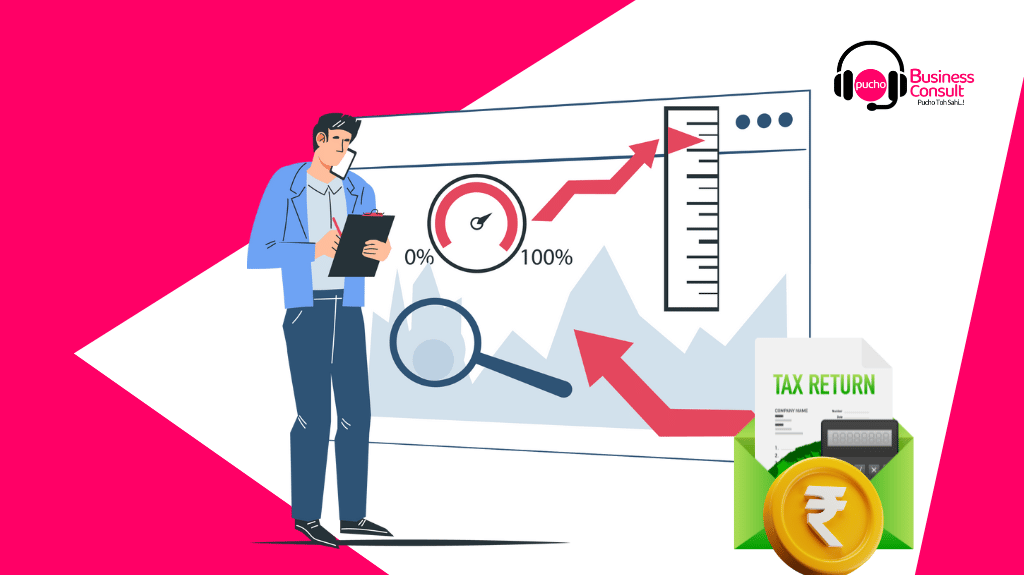
Filing Goods and Services Tax (GST) isn’t just a legal requirement; it offers several advantages that can help startups grow and stay competitive.
While GST compliance may seem complex, the benefits far outweigh the challenges.
Here are the top 5 benefits startups gain by filing GST.
1. Access to Input Tax Credit (ITC)
One of the most significant benefits of GST for startups is the ability to claim Input Tax Credit (ITC).
This allows businesses to deduct the GST paid on purchases and expenses from the GST collected on sales.
In effect, it reduces tax liability, enhances cash flow, and lowers operational costs.
Example:
If a startup incurs expenses on office supplies, rent, or raw materials, it can claim ITC on these purchases, reducing the overall GST payable to the government.
2. Improved Business Credibility by Filling GST
Registering for GST and filing returns regularly boosts a startup’s credibility and professionalism.
Many clients, especially larger companies, prefer working with GST-registered businesses to ensure they are dealing with compliant vendors.
Benefit:
Being GST-compliant can make startups more appealing to clients and investors, increasing business opportunities and customer trust.
3. Simplified Tax Structure
Before GST, businesses had to deal with a complex tax structure involving multiple indirect taxes like VAT, service tax, and excise duty.
GST consolidates these taxes into a single system, simplifying tax compliance and reducing the burden of managing multiple taxes.
Impact:
For startups, this simplified tax structure reduces paperwork, minimizes errors, and lowers compliance costs, allowing them to focus on core business growth.
4. Enhanced Market Reach through Interstate Sales
GST removes the barriers to interstate trade by eliminating entry taxes and Central Sales Tax (CST).
Startups can now easily expand their business across state borders, reaching a broader customer base without additional taxes or documentation.
Advantage:
This seamless interstate trade opens up new markets for startups, providing more revenue opportunities and scalability for the business.
5. Ease of Availing Government Contracts and Loans
Many government tenders and contracts require businesses to be GST-compliant.
Additionally, banks and financial institutions consider GST returns to be reliable financial documents when evaluating loan applications.
Benefit:
Filing GST regularly can help startups qualify for government contracts and improve their chances of securing loans and funding based on their GST history and financial discipline.


6 FAQs on Benefits of GST Filing for Startups
1. Can startups claim ITC on all business expenses?
No, ITC can be claimed only on eligible business expenses. Certain items, like motor vehicles for personal use, may not qualify.
2. Is GST registration mandatory for all startups?
GST registration is required for startups with a turnover exceeding ₹20 lakh (₹10 lakh in some states). However, voluntary registration is also an option.
3. Does GST simplify the tax filing process for startups?
Yes, GST replaces multiple taxes with a single structure, making compliance easier and reducing paperwork.
4. How does Filling GST compliance affect loan eligibility?
Banks view GST returns as a reliable financial document, improving a startup’s chances of securing loans.
5. Can startups operate interstate without additional taxes under GST?
Yes, GST eliminates entry taxes and CST, allowing startups to operate interstate without additional tax burdens.
6. How does GST improve a startup’s market credibility?
GST compliance reflects financial discipline, making startups more trustworthy to clients, investors, and financial institutions.
Unlock the full potential of GST compliance with PUCHO Business Consultant.
Our team provides expert GST filing services tailored to meet the needs of startups.
Book a consultation today at PUCHO Business Consultant and let us simplify your Filling GST journey, helping your business thrive!
0 Comments